
Friday’s First Clue Starts a Much Longer Commitment
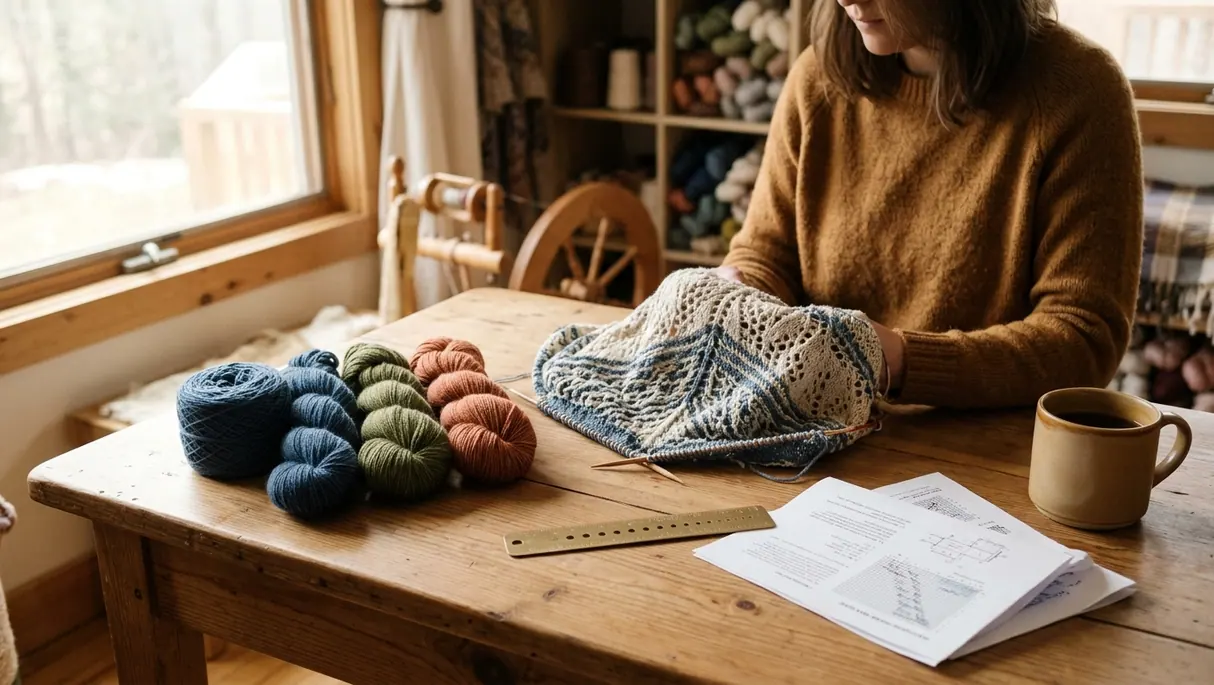
At dawn on Friday, an independent knitwear designer sits at a studio table with coffee beside a blocked fingering-weight shawl. Clue 1 has just gone out. Forum notifications begin stacking up: one knitter has extra stitches, another wants to know whether two nearly matching yarns will separate clearly in the lace. The finished sample lies within reach. Everyone else is knitting toward something they cannot yet see.
That imbalance gives a Mystery Knit-a-Long, or MKAL, its charge. The designer holds the shape; participants share the anticipation. Each release brings another reason to open the pattern, check the group, and pick up the needles.
It also creates a substantial service commitment.
The useful test comes six months after the final clue. Does the shawl still attract buyers? Have participants stayed subscribed for the next release? Can someone arriving through a search for knitting patterns understand the design without decoding an expired event?
Sales, completion, and support belong in the same calculation. A busy launch can generate income while leaving behind an awkward catalog listing, unfinished projects, and a designer too occupied with troubleshooting to prepare the next pattern.
Turning Launch Excitement Into a Shawl People Can Shop
Before launch, the calendar helps sell the pattern. Early-bird pricing supplies a deadline. Curated kits from independent dyers make the palette feel settled. Group chatter adds the prospect of knitting alongside friends. Buyers can commit before they have seen a shoulder line, border, or finished silhouette.
After the reveal, those reasons lose their urgency. The listing has to earn attention through the design itself.
A yarn-cake thumbnail makes that handover harder. So does an early project photograph showing a curled, unblocked fragment of Clue 1. A participant recognizes a shared beginning; a later shopper sees very little evidence of what the pattern will make. The same image serves those audiences poorly.
Give the Finished Shawl the Cover
The post-event work needs a place on the production calendar:
- Photograph the blocked sample so its outline, scale, and fabric are clear.
- Combine the clue instructions into one continuous pattern with consistent terminology.
- Make that unified file the primary download and archive the separate clues.
- Update the description and database tags to reflect the finished accessory and its techniques.
Keep the mystery history available for participants who enjoyed it. Lead the sales page with the shawl a new customer can actually choose.
When Clue Three Exposes a Palette Problem
Two beautiful skeins can disappear into each other once the stitches begin crossing. A speckled yarn that looked lively beside a solid may swallow a lace motif; closely matched values can soften the separation a brioche section needs. The disappointment arrives after the knitter has already invested time in the fabric.
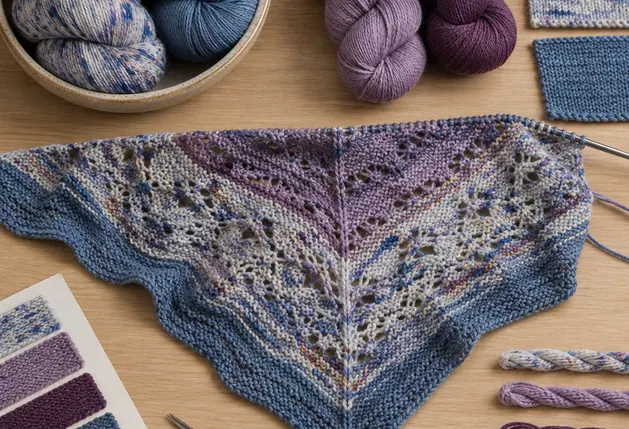
Clue three can bring that problem into focus. The opening excitement has eased, the fabric has grown, and a new texture may finally reveal where the colors needed stronger contrast. A four-skein shawl left half-finished occupies both a project bag and the knitter’s memory of the designer.
The technique change matters, too. Short rows introduce turning points to track. Slipped-stitch colorwork asks for attention to yarn position. Long purl rows across a wide shawl change the rhythm of an evening’s knitting. When those demands arrive without preparation, community threads can fill with variations of the same question.
A useful preview preserves the silhouette while disclosing the work. Name the techniques before purchase. Include the actual motifs in a preparation swatch. Explain which colors form the ground and which must remain distinct.
An unfinished object can make the next purchase feel like another obligation. Clear preparation gives participants a better chance of reaching the satisfying part: blocking the shawl and wearing it.
The Support Desk Behind the Dyer Kit
A mystery event creates several publishing deadlines inside one pattern launch. Separate clue PDFs need editing, version control, and checks against everything that came before. An incorrect stitch count in an early section travels forward unless someone catches it.
Then comes the forum work: distinguishing a genuine error from a missed increase, explaining a repeat, redirecting a spoiler photograph, and answering the question already buried farther up the thread. Those small exchanges consume concentrated working time.
Budget support as part of the pattern’s production cost. Scheduled thread checks, a clearly placed corrections notice, and reusable explanations can keep assistance manageable. Techniques & tutorials linked from the pattern should address its specific sticking points.
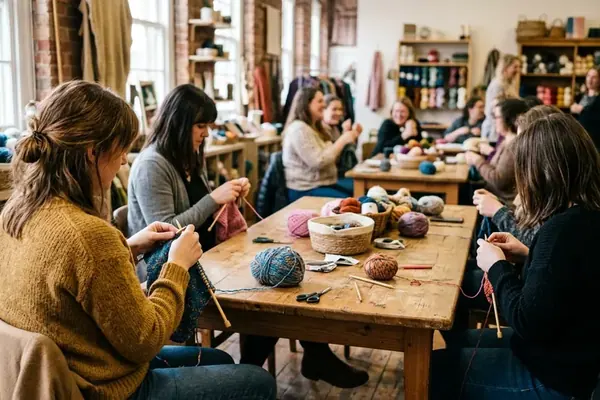
Dyer collaborations add another route into the event. A customer may arrive for a particular wool base or colorway and encounter the designer for the first time. The relationship needs somewhere to continue after the kit sells: an optional newsletter signup on the download page, followed by another invitation in the completion note, creates that route.
A standard knit-a-long offers a useful comparison. With the sample visible from the start, participants can judge shape and color placement before buying. Both formats require help; the mystery format also asks the designer to support decisions made with the finished object concealed. That extra work belongs beside the extra launch income when choosing the next event.
Build a Two-Skein Shawlette Around Four Fridays
You are planning a four-week fingering-weight shawlette using two skeins. Keep the surprise in the unfolding shape—give knitters enough information to choose yarn and reserve their knitting time.
Prepare the Palette Before Week One
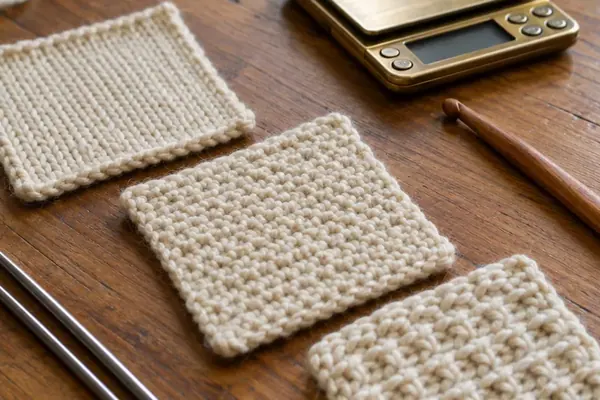
Release a required Clue Zero packet before the first Friday. State the tested yardage, gauge, and yarn requirements. Ask participants to photograph their yarns in grayscale to check value separation, then knit a textured swatch containing the exact motifs used in Weeks 2 and 3. Have them block it and check whether the contrast remains clear.
Spend Early Enthusiasm on the Texture
Place the higher-concentration work in Weeks 1 and 2. Use Week 3 to develop motifs participants have already swatched, and reserve Week 4 for a predictable border and bind-off. In the preparation packet, list useful tools & notions, including stitch markers for repeat boundaries.
Put Support on the Calendar
Publish Tuesday and Thursday support windows in studio time before sales open. Give questions one clearly identified home, and state when replies will arrive. Check the clue files together before release so stitch counts carry cleanly from one week into the next.
Finish With a Pattern Ready to Browse
Schedule the blocked-sample photography alongside the final clue. On day 29, replace the yarn-cake cover with the finished shawlette, make the unified PDF the primary download, and update the listing’s technique tags. Send participants a completion note with the same file and an optional newsletter invitation. A later shopper now sees the shawlette’s outline, opens one coherent pattern, and can choose yarn using the same contrast swatch that prepared the original group.



Discussion
No comments yet. Be the first!
Write a Comment