

From Saturday Socials to NICU Necessities
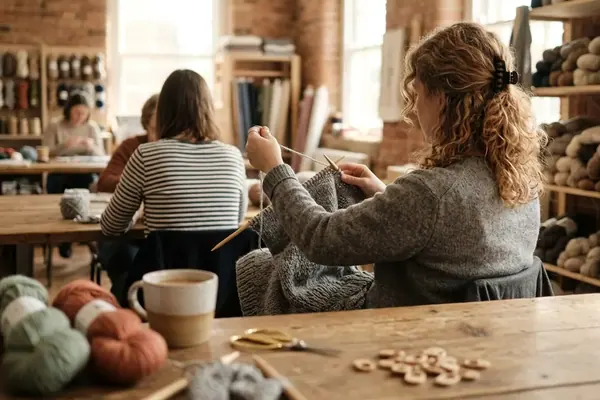
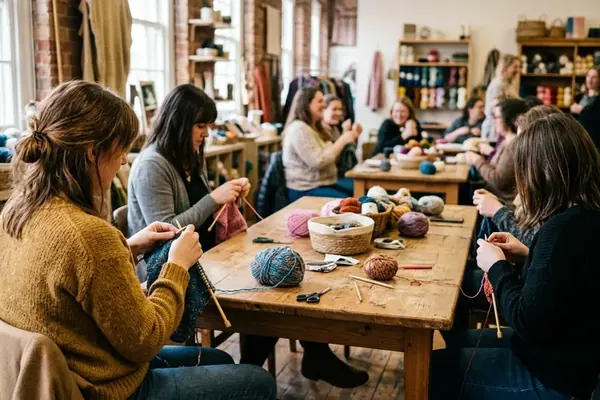
The Saturday circle originally treated leftover sock yarn as a prompt for conversation. Gathering in a church basement from 9:00 to just past 11:00 on weekend mornings in late 2016, the group focused heavily on community and shared techniques. Crafters brought whatever projects they had on their needles, sharing tips on tools & notions while working through complex lace shawls or heavy winter sweaters. The atmosphere prioritized the social aspects of the craft over any specific production goals.
That dynamic shifted permanently when two members shared their recent experiences sitting with families in local neonatal intensive care units. They described watching nurses stretch adult-sock cuffs over preemie heads to keep the infants warm. The hospital supply chain simply lacked garments in the highly specific 3.5 to 4.5-inch crown range required for premature babies. Hearing this direct report moved the table to declare a hats-only winter.
The initiative required immediate structural changes to the weekly meetings. Three core organizers took responsibility for unlocking the basement room at 8:45, ensuring that chairs were arranged and needles were ready the moment the clock struck 9:00. This small adjustment in timing signaled a broader transition from casual hobbyists to a focused production team. Every stitch now carried a specific, medical-grade purpose.
The Grocery Bag Bottleneck
Community enthusiasm quickly outpaced the group's processing capacity. Following a prominent library display highlighting the new initiative, donations poured in at an unmanageable rate. Well-meaning neighbors dropped off unmarked grocery bags filled with a chaotic mix of fibers, ranging from delicate lace-weight mohair to super-bulky novelty eyelash yarns. The sheer volume of these mixed-weight contributions created an immediate logistical crisis for the organizers.
Earlier localized drives had successfully cleared a single laundry basket of donations in 10 to 14 days. The new influx overwhelmed that baseline entirely. Unsorted bags sat untouched for 18 to 21 days as the community interest jumped, completely stalling the winding process and halting hat production. Crafters found themselves spending their entire weekend sessions picking scratchy metallic eyelash strands and untreated wool out of the usable acrylics.
The organizers implemented a strict freeze on new grocery-bag donations for 18 to 21 days to clear the backlog. Winding yarn requires physical space and dedicated time, and sorting unknown fibers demands a high level of textile knowledge. Untreated wool can cause severe allergic reactions on fragile skin, while novelty yarns shed fibers that pose respiratory risks to premature infants. The group needed a working system to filter these hazards before the yarn ever reached the Saturday knitting table.
Triage at the Drop-Off Bin
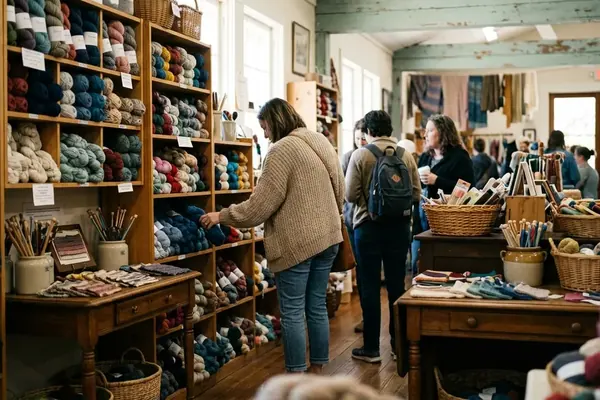
The organizers bypassed commercial storage units and asked shop owners they already frequented to host collection points. They established a network of lidded drop-off bins at four local yarn shops and two community centers. This setup intercepted donations at the source, allowing staff and volunteers to educate donors about appropriate materials right at the counter.
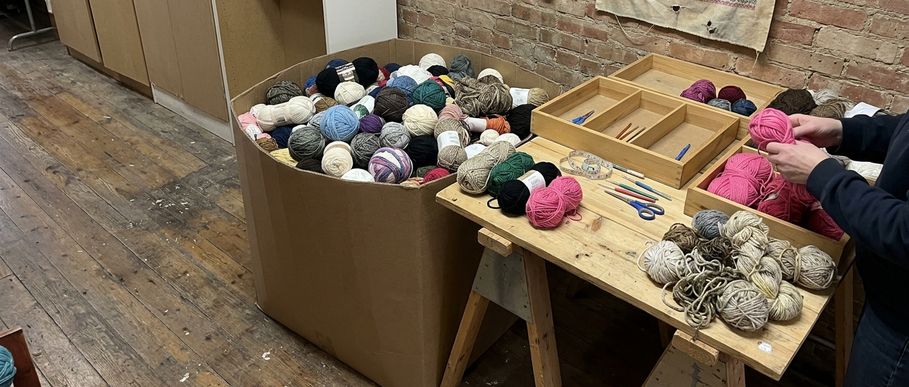
To manage the incoming materials, the core team scheduled a dedicated Tuesday triage window from 6:30 to 8:00. During this evening session, volunteers sorted the raw donations into specific categories so the Saturday knitters received only labeled, ready-to-use totes. Baby-safe skin contact took absolute priority over matching pastels or creating visually striking colorways. The triage team separated the usable skeins into distinct totes for acrylics, superwash wools, and cottons, taping a printed fiber list inside each lid for quick reference.
This decentralized approach rests entirely on first-name ties with local shop counters. It does not transfer easily to regions that lack an established fiber-arts cluster. The success of the Tuesday triage depended heavily on the existing trust between the organizers and the small business owners who agreed to sacrifice valuable retail floor space for the lidded bins.
Drafting the Medical-Grade Beanie
Hospital receiving staff outlined the safety requirements: neonatal units maintain strict guidelines for patient clothing. The medical facility explicitly rejected hats with chin ties, open lace patterns, or any bind-off method that left a hole at the crown. Tiny fingers can easily become trapped in loose stitches or decorative eyelets, cutting off circulation.
The organizers pulled all circulating free knitting patterns off the basement tables. They issued exactly two approved pattern sheets to the volunteers. The first featured a 12-stitch-repeat knit beanie, and the second provided instructions for a dense single-crochet beanie. Both patterns specified DK weight acrylic yarn worked at exactly 5.5 stitches per inch on 4.0 mm needles or hooks. This standardization guaranteed that every finished piece would meet the 3.5 to 4.5-inch crown target when laid flat.
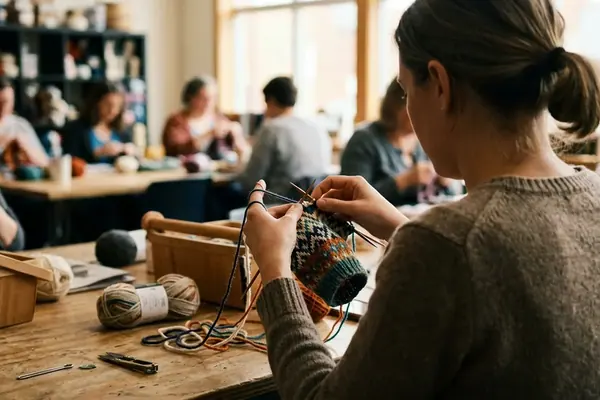
Achieving that precise gauge required dedicated education. Veteran knitters ran a 40 to 45-minute gauge clinic before the Saturday cast-on sessions. They taught newer volunteers how to measure their stitches, adjust their needle sizes, and execute a smooth crown decrease. That construction prevents bulky ridges from pressing into a premature infant's fragile skin while they rest in an incubator.
Preemie Hat Safety and Construction Standards
- Seamless crown with no finger-catching hole at the bind-off
- No chin ties, buttons, beads, or sewn-on embellishments
- All ends woven; no loose tail longer than a stitch
- Fiber limited to DK acrylic, superwash wool, or cotton
Counting and Storing the Three Thousand
Reaching that production volume introduced a new set of physical challenges. Volunteers counted finished hats into canvas bags in lots of 40 to 50 following a strict secondary check for loose tails. A second pair of hands inspected every single garment, ensuring that all ends were securely woven in and no tail extended longer than a single stitch. This rigorous quality control maintained the trust the group had built with the medical facility.
Environmental factors quickly threatened the stockpiled inventory. After porch damp marked a batch of acrylic yarn over a 12 to 16-day period, the organizers moved all storage from a cramped bedroom closet to a dedicated spare room. They maintained this room at a steady 60 to 68°F to protect the synthetic fibers from moisture degradation and mildew. Proper climate control is essential when storing textiles intended for immunocompromised patients.
Volunteer retention stabilized when the weekly communication notes named the specific receiving ward. Knowing exactly where their work was going gave the crafters a tangible connection to the project's impact. Organizers returned leftover yarn directly to the Tuesday triage totes for the next cycle, ensuring zero waste and keeping the Saturday tables clear of clutter. The group successfully quality-checked and packed three thousand hats under these refined protocols.
Thursday Morning at the Loading Dock
The organizers scheduled the final load-out for a Thursday a little after 7:00 a.m. in March 2018. Weekday mornings avoided the heavy visitor traffic at the main entrances and allowed the nurse manager to meet them directly at the receiving bay. The volunteers transferred the heavy canvas bags of pastel hats from the cold interiors of their cars onto the concrete platform.
The loading dock smelled sharply of laundry steam venting from the hospital's lower levels. Breath showed clearly in the crisp morning air as the team stacked the deliveries. Soft pastel colors of acrylic yarn sat hard against the gray cinderblock walls of the facility. The nurse manager reviewed the inventory and signed a handwritten bag-count receipt right there on the dock before starting her morning rounds.

Discussion
No comments yet. Be the first!
Write a Comment