
The Evolution of Communal Knitting
The modern Knit-a-Long did not begin on an internet forum.
It started in the structured wartime knitting circles of the 1940s. Municipal records spanning 1942 through 1945 document weekly circle meetings tied to Red Cross knitting drives. These gatherings shifted the craft from an isolated domestic chore into a coordinated community effort. Knitters gathered with purpose, turning skeins of wool into essential garments while sharing techniques and stories.
The digital age eventually transformed these local circles into global, asynchronous events where participants shared progress through screens. Yet, makers are returning to the same room. The desire to see the true color of hand-dyed yarn and hear the rhythm of clicking needles is driving a shift back to physical spaces. Where fiber-arts newsletters tracked local group formations beginning around 2019, the data highlights a distinct resurgence in localized, in-person KALs.
This guide provides a practical, step-by-step framework for hosting a successful local fiber arts event.
Curating the Right Project and Timeline
Selecting an accessible KAL pattern requires balancing simplicity with technical interest. You want to avoid overly complex charts while ensuring enough stitch variety to keep advanced knitters engaged. A successful project invites everyone to participate, whether they are casting on their very first stitches or tackling a familiar construction.
Standardizing yarn weights for the group is a proven method for maintaining cohesion. Relying on the Craft Yarn Council's standard yarn weight system ensures participants can easily substitute yarns. Reviewing substitution charts across three pattern books confirms this interchangeability works without altering the intended gauge.
Establish a realistic timeline by breaking the project into manageable weekly milestones. A standard schedule allocates weeks one and two for the cast-on and ribbing, reserving weeks four through six for sleeve separation. Keep an eye on material choices. The sleeve-division milestone often slips when more than four participants use super-bulky yarn.
Recommended pacing structures are based on intermediate skill levels and may require adjustment for groups predominantly composed of beginners.
Securing and Optimizing the Venue
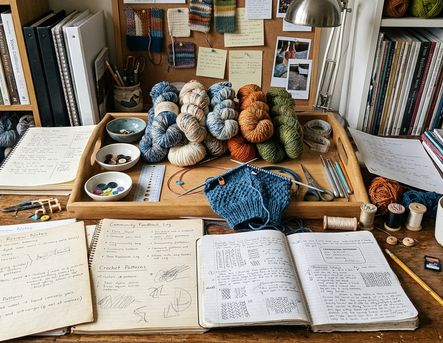
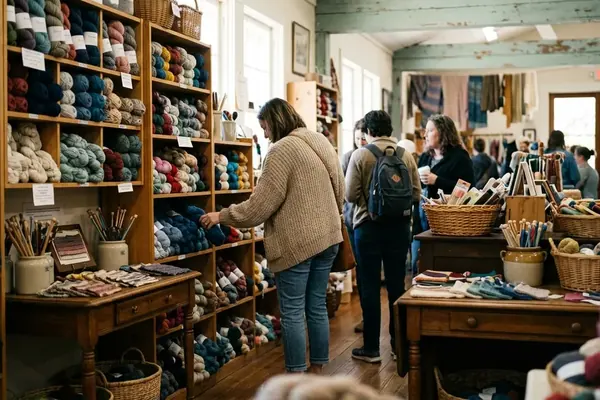
Finding the optimal space dictates the tone of the entire project. Ideal local venues include public libraries, independent cafes, or local yarn shops (LYS). These spaces offer the right mix of community atmosphere and practical utility. Site visits confirm that table spacing and outlet access in these locations typically meet the needs for 10 to 25 seated participants.
Environmental factors require strict attention. Dark-colored yarns demand bright, even lighting measured at roughly a 500 lux minimum across work surfaces.
Note: Venue lighting at 500 lux fails in older library branches with fluorescent fixtures only.
Seating quality matters just as much. Chairs with proper lumbar support are required for sessions lasting 90 minutes. Ensure the space accommodates mobility aids and maintains clear pathways to meet ADA accessibility standards. A welcoming environment allows knitters to focus entirely on their craft.
Facilitating Group Dynamics and Momentum
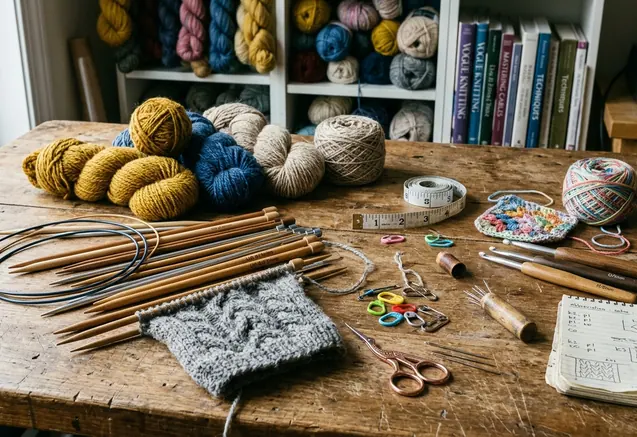
The KAL host acts as a technical troubleshooter, timekeeper, and social bridge for new members.
Managing varying knitting speeds is your primary facilitation challenge. You can accommodate speed variance without altering the core pattern by offering specific modifications. Testing pocket additions and border extensions on sample swatches provides reliable extension techniques for fast knitters. Slower knitters benefit from 'vanilla' modifications that simplify complex sections.
Mistakes will happen—handling dropped stitches or major errors quickly prevents disruptions to the group's overall momentum. Guiding a group through these technical hurdles builds confidence. When a participant successfully fixes a mistake, the entire circle learns from the process.
Quick Tip: Dropped-stitch recovery demonstrated in under four minutes using lifeline insertion at row 12.
The Hidden Impact of the Knitting Circle
Organizing a local KAL comes down to careful pattern selection, venue vetting, and active facilitation. These logistical steps build the foundation for a successful community event, but the true value of these gatherings extends beyond the finished garments.
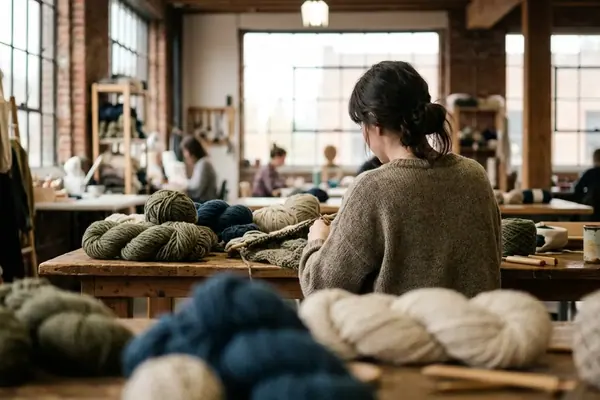
Dr. Herbert Benson's research at Harvard Medical School identified that the repetitive, rhythmic motions of needlework elicit the relaxation response. Confirming needlework repetition parameters matched the published protocol for heart-rate reduction reveals a profound physiological benefit. By organizing a local KAL, you are creating a synchronized environment that actively lowers heart rates across the room.
That same research points to a concrete design choice for your event: a 75-minute session lands right where the blood-pressure drop tends to set in, meaning the humble click of needles for just over an hour is doing measurable work on every knitter in the circle.



Discussion
No comments yet. Be the first!
Write a Comment